
- Startpagina tijdschrift
- Volume 44 (2026)
- A bibliometric analysis of ethnomedicinal plants research in the Democratic Republic of Congo


Weergave(s): 90 (1 ULiège)
Download(s): 0 (0 ULiège)


A bibliometric analysis of ethnomedicinal plants research in the Democratic Republic of Congo

Abstract
We conducted a bibliometric analysis to investigate the evolution of ethnomedicinal research in the Democratic Republic of the Congo (DRC). The objectives were to identify the most productive and influential authors, journals, institutions, and countries; to define collaborative networks among authors, institutions, and countries; and to ascertain the most often used keywords by the authors. Data were acquired from multiple online databases and visualized using VOSviewer and biblioshiny.
The study encompassed 79 peer-reviewed articles published from 1983 to 2022, involving 245 authors and 191 keywords. Two major subgroups were identified in the field of Congolese ethnomedicine: the Mpiana-Ngbolua-Bongo et al. subgroup and the Lumbu-Duez-Manya et al. subgroup. Our findings reveal that Mpiana and Ngbolua from the University of Kinshasa were the most prolific authors, with 21 and 20 publications each, respectively. The University of Kinshasa, the Official University of Bukavu, the University of Kisangani, and the University of Lubumbashi were the institutions most involved in article publications, since they produced the greatest number of published articles. Belgian institutions collaborated most frequently with Congolese institutions. The journal “African study monographs” ranked first in the number of publications, followed by the Journal of Ethnopharmacology. The term “medicinal plants” was the most used keyword. These findings shed light on the trend of ethnomedicine research in the DRC and provide a guide for future research.
Inhoudstafel
Introduction
1Traditional medicine is “the sum of knowledge, skills, and practices based on theories, beliefs, and experiences indigenous to a different culture, whether explicable or not, used in the maintenance of health as well as in the prevention, diagnosis, improvement, or treatment of physical and mental illness” (WHO, 2013). This ethnomedicinal knowledge among diverse tribes in the Democratic Republic of the Congo (DRC) has existed for generations and is based on medicinal plants. For example, the Fuliiru tribe in Uvira Territory relies on plants to treat rheumatism, pregnancy-related ailments, hemorrhoids, and malaria (Iragi et al., 2021; Masumbuko & Mutabana, 2012).
2Plants provide the basis for the drugs available in various markets (Laldingliani et al., 2022). And scientists in the DRC developed Drepanoalpha®, a polyherbal formula derived from a mixture of polyphenols and anthocyanins from edible plants. This formula enhanced the proliferation of red blood cells and hemoglobin in vitro (Mpiana et al., 2016).
3Bibliometrics, initially defined by Pritchard (1969) as “the application of mathematical and statistical methods to books and other media of communication,” has replaced “statistical bibliography,” and has gained significance in the analysis of publications across diverse fields. Since that time, almost 8000 bibliometric works have been published worldwide (www.webofscience.com; accessed May 20, 2023).
4Bibliometric analysis has been employed to examine ethnomedical research in many countries. Alarcon et al. (2023) examined the productivity of medicinal plant research in Latin America and the Caribbean. Angulo (2020) reviewed the researchs done on Peruvian medicinal plants’ output between 2000 - 2019. Ritter et al. (2015) conducted an analysis of ethnobotanical research in Brazil to identify knowledge gaps in the field. Zyoud et al. (2015) investigated the output of scientific research in integrative and complementary medicine in the Arab region. Certain research investigated articles from particular journals (Viljoen et al., 2019) or focused on specific medical plant species (George et al., 2021; Singh et al., 2008; Sivasekaran et al., 2021; Ye et al., 2021) to assess the trends in the ethnomedicinal field in general. Notwithstanding the advancements in ethnomedical research in the DRC over the last four decades, a bibliometric analysis of this field has not yet been conducted. This study provides the first bibliometric analysis of the ethnomedicinal research literature pertaining to the DRC. This study aimed to analyze the Congolese academic system about ethnomedicinal research using quantitative methods. Specifically, this study attempted to (1) identify the most productive and impactful authors, journals, institutions, and countries; (2) delineate collaborative networks among authors, institutions, and countries; and (3) determine the most frequently used keywords by the authors.
Materials and methods
5This study examined online scientific articles accessible on Scopus, Web of Sciences, Google Scholar, and ResearchGate, focusing on ethnomedicinal research in the DRC. The analysis included only available peer-reviewed articles published between 1983 and 2022 (a 39-year period) that employed surveys as a method for inventorying plants. The variables examined in each article comprised the authors, their affiliated institutions, and their countries, which helped to examine the network of scientists and institutions involved in ethnomedicine research in the DRC; the names of journals, providing insight into the most prevalent publication sources; keywords, aiding in the identification of the most commonly utilized terms; and year of publication, enabling the chronological placement of the information. All data were collected by 20 January 2023. Figure 1 provides a detailed, sequential explanation of the data collection process and the criteria for inclusion.
6The French keywords were translated into English and standardized to convey identical meaning (e.g., “Ethnomedicinal plants” and “medicinal herbs”). A term encompassing all synonymous expressions was used in the network analysis (Table 1). All network visualizations were generated with VOsviewer version 1.6.19 (van Eck and Waltman, 2010) and biblioshiny in R (Aria and Cuccurullo, 2017).
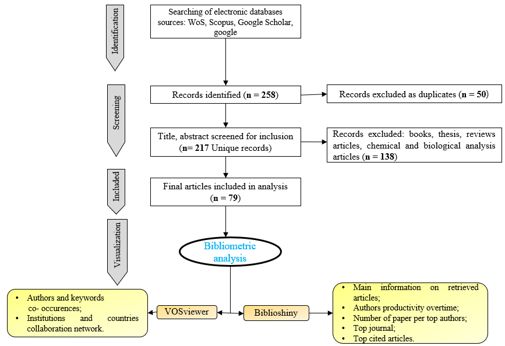
Figure 1: Research framework
Table 1: Revision and standardization of the keywords
|
Synonymous keywords from the database |
Terms used as keywords in the analysis |
|
Bushi / Bushi area |
Bushi area |
|
D.R. Congo / Democratic Republic of the Congo / République Démocratique du Congo / Republic Democratic of Congo / zaïre |
DR Congo |
|
Erotique |
Erotic |
|
Ethnobotanical study / Etude ethnobotanique |
Ethnobotanical study |
|
Enquête ethnobotanique / Ethnobotanical survey / Ethnobotanic survey / Ethno-botanical survey |
Ethnobotanical survey |
|
Ethnopharmacology / ethno-pharmacology |
Ethnopharmacology |
|
ethnopharmacopée |
Ethnopharmacopoeia |
|
Inventaire |
Inventory |
|
Kahuzi-Biega / Kahuzi-Biega Park |
Kahuzi-Biega Park |
|
City of Kinshasa / Kinshasa |
Kinshasa |
|
Malaria / paludisme |
Malaria |
|
Medicinal plants / medicinal plant species / plantes medicinales / medicinal herbs / Ethnomedicinal plants |
Medicianal plants |
|
Plant use/plant utilization |
Plant use |
|
Primary health care / santé primaire |
Primary health care |
|
Voies respiratoires |
Respiratory tract |
|
South Kivu province / Sud-Kivu |
Sud-Kivu |
|
Enquête / surveys |
Surveys |
|
Uvira Territory / Uvira |
Uvira |
|
Region vaginale |
Vaginal area |
Results
The research output of Congolese ethnomedicine plant
7From 1983 to 2022, a total of 79 articles on Congolese ethnomedicine were published in English and French accross 44 sources, containing 191 author keywords. A cumulative number of 245 researchers contributed to these publications (Table 2). Figure 2 illustrates the distribution of the 79 articles analyzed. Between 1983 and 2011, ethnomedicinal publications increased slowly, averaging one publication each year. From 2012 to 2022, there was a substantial increase in the number of publications, accounting for approximately 76 % of all Congolese ethnomedicine publications. The most productive year was 2014, during which nine articles were published.
Table 2: The main information on retrieved ethnomedicinal studies in DR Congo
|
Description |
counts and rate |
|
Timespan |
1983-2022 |
|
No. of articles |
79 |
|
No. of authors |
245 |
|
single-author articles |
5 |
|
multi-author articles |
240 |
|
Articles/author |
0.32 |
|
Authors/article |
3.1 |
|
Co-author appearance |
452 |
|
Co-Authors/article |
5.72 |
|
Average citations/article |
22.05 |
|
Journal sources |
44 |
|
Author's keywords |
197 |
|
Language |
|
|
French |
33 |
|
English |
46 |
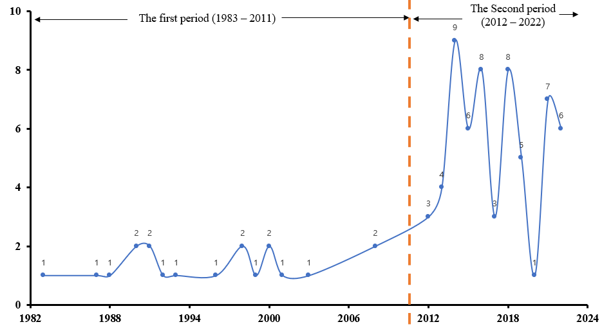
Figure 2: The number of ethnomedicine plant articles in DR Congo, 1983-2022
Author co-authorship analysis
8Ethnomedicinal research in the DRC, as indicated by articles published from 1983 to 2022, was primatily led by a select group of authors (Figure 3). The ten most relevant authors published all their work after 2010.
9Figure 4 gives an overview of the collaboration networks among authors, where each node represents an author, and each edge (line) indicates the connection between authors. The distances between nodes and the thickness of the connections indicate the extent of collaboration among authors. Moreover, several isolated small subnetworks emerged from the larger network, indicating that authors in the field of ethnomedicine communicate sporadically and collaborate in small groups. Two pricipal subgroups were identified within the field of Congolese ethnomedicine. Specifically, the Mpiana- Ngbolua-Bongo et al. subgroup and the Lumbu-Duez-Manya et al. subgroup. Although Longanga is not considered one of the most prolific authors, his single published article (Longanga et al., 2000) has been identified as the most cited article. Except for Katemo (Katemo et al., 2012), the remaining highly cited articles (Byavu et al., 2000; Terashima et al., 1988; Terashima and Ichikawa, 2003) were authored by researchers from the isolated groups (Table 3; Figure 3). In contrast, Ngbolua (Professor at the University of Kinshasa), who is the most prolific author in terms of the number of publications (Figure 5), ranks 10th in terms of number of papers cited (Ngbolua et al., 2014). Table 4 presents the top journals with the highest number of published articles. These 10 journals published 40 out of 79 publications accounting for 50.6%. Twenty- nine journals appear only once. The journals with the highest publications on ethnomedicine in the DRC include African Study Monographs, International Journal of Innovation and Scientific Research, Journal of Ethnopharmacology, and Journal of Advanced Botany and Zoology. Among all journal sources, only six (J. of Ethnopharmacy, Bois et forêts des Tropiques, J. of Ethnobiology and Ethnomedicine, Nutrition Research and Practice, Pan African Medical Journal, and Forest Science and Technology) have been listed as indexed journals in the Web of Science or Scopus.
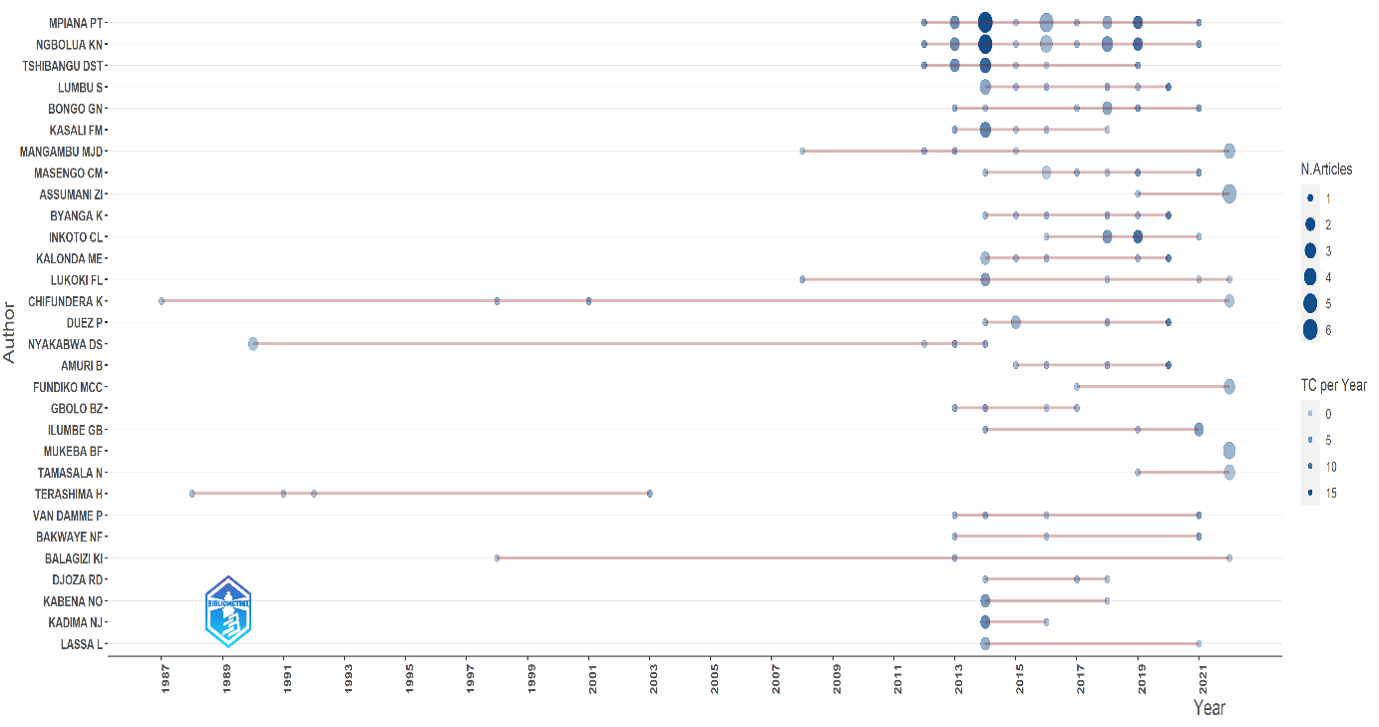
Figure 3: Authors’ productivity over time in the Congolese ethnomedicine
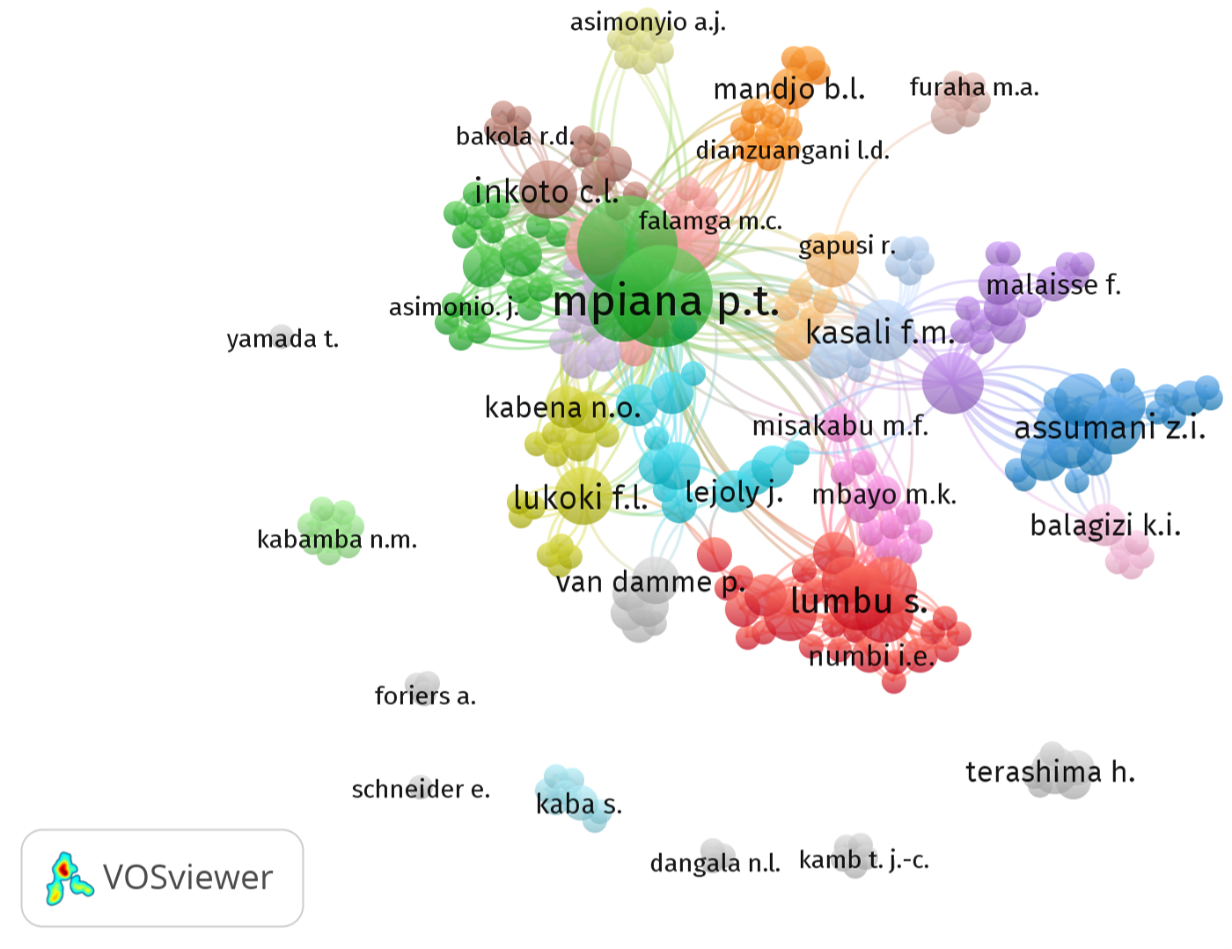
Figure 4: Ethnomedicine research co-authorship network
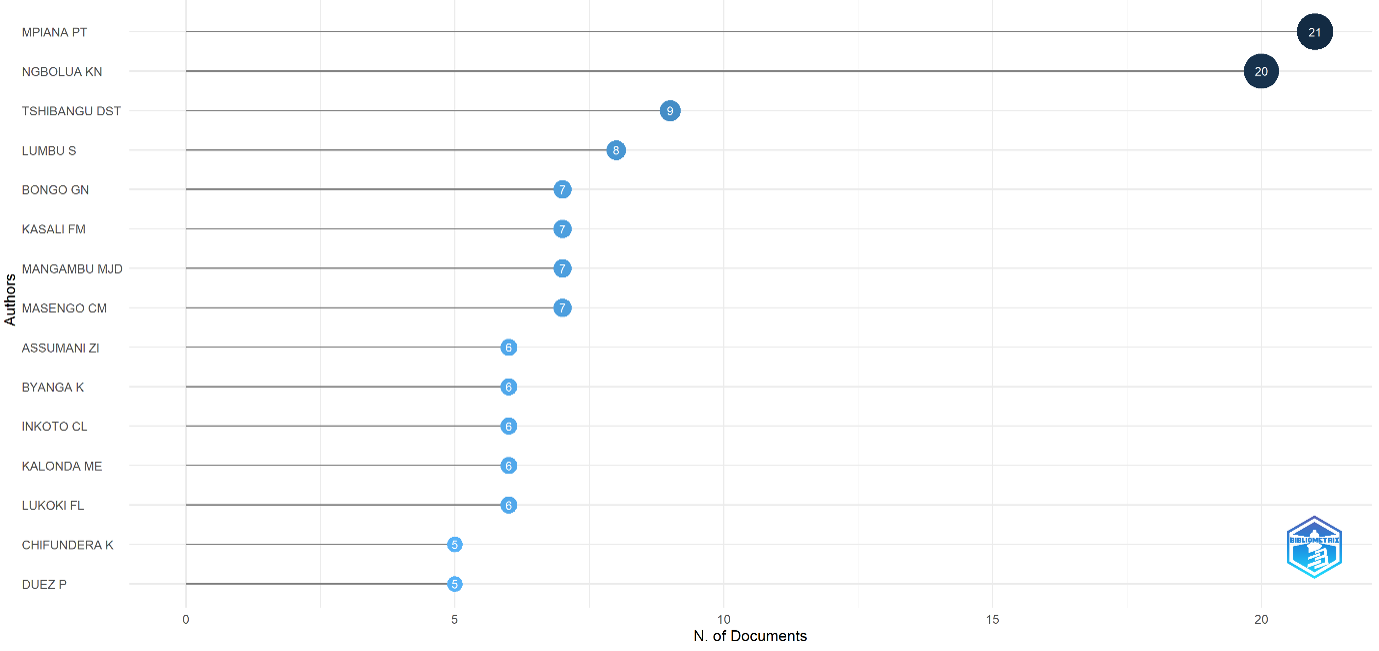
Figure 5. Most relevant Authors
Table 3: Top 10 most cited documents
|
Authors |
Year |
Total citations* |
Title |
Journal title |
|
Longanga et al. |
2000 |
443 |
Contribution to the ethnobotanical, phytochemical, and pharmacological studies of traditionally used medicinal plants in the treatment of dysentery and diarrhea in Lomela area, Democratic Republic of Congo (DRC) |
Journal of Ethnopharmacology |
|
Chifundera k. |
2001 |
97 |
Contribution to the inventory of medicinal plants from the Bushi area, South Kivu Province, Democratic Republic of Congo |
Fitoterapia |
|
Chifundera k. |
1998 |
71 |
Livestock Diseases and the Traditional Medicine in the Bushi Area, Kivu Province, Democratic |
African Study Monographs |
|
Terashima and Ichikawa. |
2003 |
70 |
A comparative ethnobotany of the Mbuti and Efe Hunter-Gatherers in the Ituri Forest, Democratic Republic of Congo |
African Study Monographs |
|
Katemo et al. |
2012 |
67 |
Ethnopharmacological survey of plants used against diabetes in Kisangani City (DR Congo) |
Journal of Ethnopharmacology |
|
Terashima et al. |
1988 |
42 |
Wild Plant Utilization of the Balese and the Efe of the Ituri Forest, The Republic of Zaire |
African Study Monographs |
|
Byavu et al. |
2000 |
41 |
Phytothérapie traditionnelle des bovins dans les élevages de la plaine de la Ruzizi |
Biotechnology, Agronomy, and Society and Environment |
|
Kasali et al. |
2013 |
40 |
Ethnopharmacological survey of plants used against diabetes in Bukavu City (D.R. Congo) |
The Journal of Ethnobiology and Traditional Medicine. |
|
Kasali et al. |
2014 |
40 |
Ethnopharmacological Survey of Medicinal Plants Used against Malaria in Bukavu City (D.R. Congo) |
European Journal of Medicinal Plants |
|
Ngbolua et al. |
2014 |
40 |
Ethno-pharmacological survey and floristical study of some medicinal plants traditionally used to treat infectious and parasitic pathologies in the Democratic Republic of Congo |
International Journal of Medicinal Plants. |
* The total citation is according to google scholar, accessed on May 20, 2023.
Table 4: Top ten journal in the field of Ethnomedicinal research in DR Congo
|
Journal |
No. of Articles (%) |
Impact Factor * |
|
African study monographs International journal of Innovation and scientific research |
10 (12.7) 7 (8.8) |
|
|
Journal of ethnopharmacology |
5 (6.3) |
5195 |
|
Journal of advanced botany and Zoology Revue Marocaine des sciences agronomiques et veterinaires |
5 (6.3) 3 (3.8) |
|
|
Bois et forêts des tropiques |
2 (2.5) |
941 |
|
European Journal of medicinal plants |
2 (2.5) |
|
|
International Journal of Biological and chemical sciences |
2 (2.5) |
|
|
Journal of modern drug discovery and drug delivery research |
2 (2.5) |
|
|
Congo Sciences |
2 (2.5) |
* Clarivate analytics’ Journal Citation Reports (2021)
Country and Institutional co-authorship network analysis
10The obtained articles were associated with 61 institutions, of which 39 (64 %) were from the DRC. The University of Kinshasa occupied the top position with 38 articles, followed by the Official University of Bukavu with 15 articles, the University of Kisangani with 13 articles, and the University of Lubumbashi with 12 articles. Furthermore,Université Pédagogique Nationale (UPN) published 9 articles. The international collaboration was present in 39.2 % of the publications (Figure 6), with five institutions from Belgium, three from Japan, two from Madagascar, and two from South Korea. “Université libre de Bruxelles” had the highest number of foreign collaborations, with seven articles, while the University of Mons followed with five articles (Table 5, Figure 7). Countries or institutions with greater number of associations have a bigger node size. Thus, the collaborative network formed by DRC-Belgium as countries, or the University of Kinshasa - University of Kisangani - Official University of Bukavu stands out in the center of the image (Figure 6, Figure 7).
Table 5: The top 10 institutions
|
Institutions |
No. of articles |
Country |
|
University of kinshasa |
38 |
DR Congo |
|
Official University of Bukavu |
15 |
DR Congo |
|
University of Kisangani |
13 |
DR Congo |
|
University of Lubumbashi |
12 |
DR Congo |
|
UPN |
9 |
DR Congo |
|
Universite Libre de Bruxelles |
7 |
Belgium |
|
Centre de Recherche en Sciences Naturelles |
6 |
DR Congo |
|
University of Gbado-Lite |
5 |
DR Congo |
|
University of Liege |
5 |
Belgium |
|
University of Mons |
5 |
Belgium |
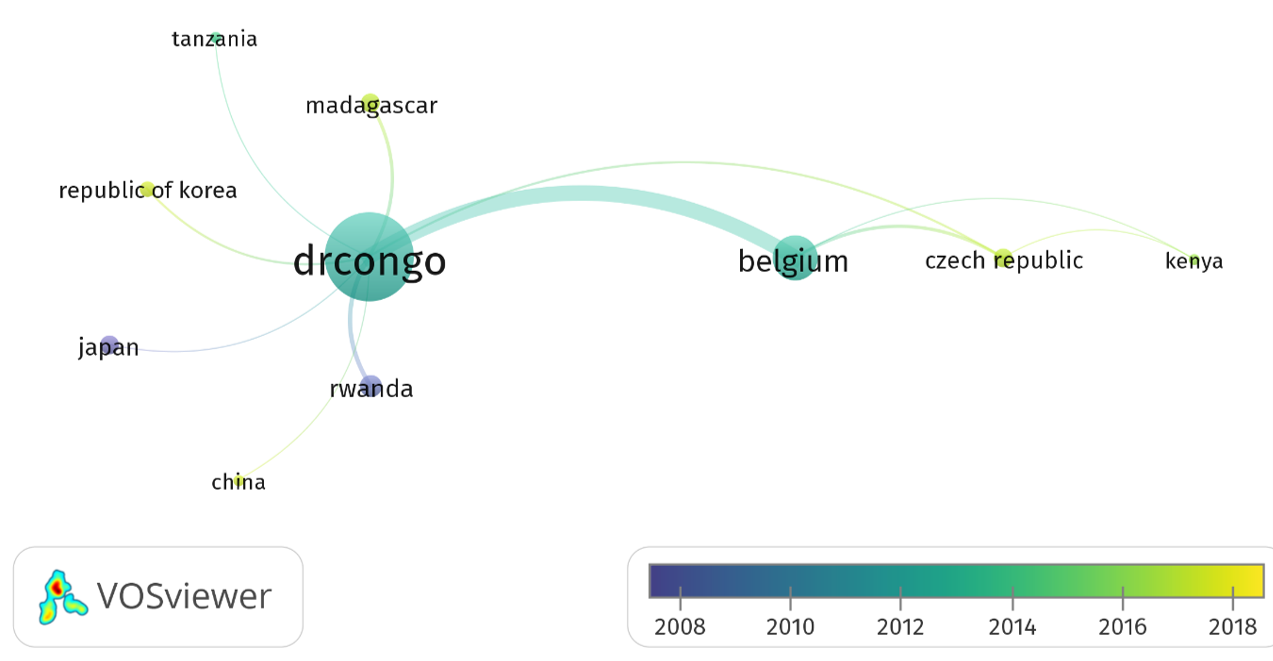
Figure 6: Collaboration network of the productive countries
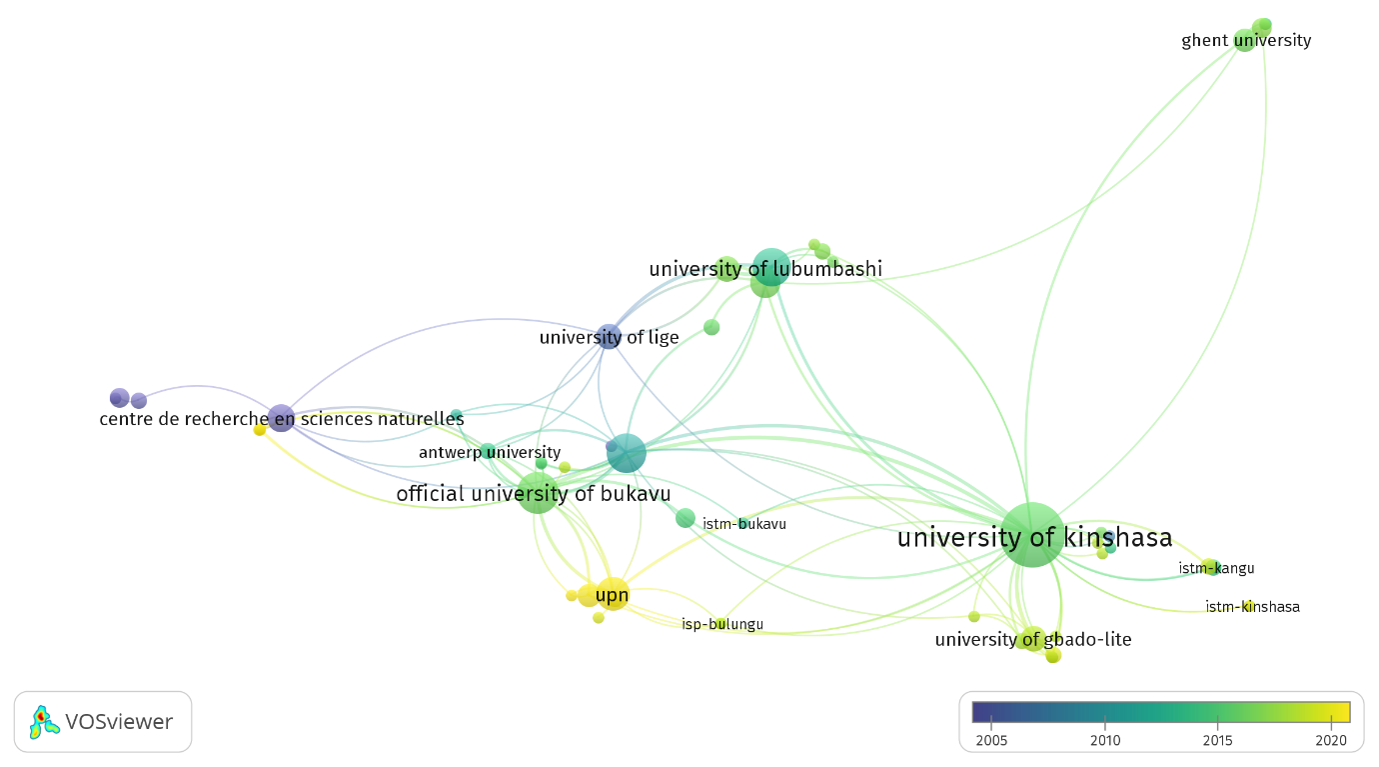
Figure 7: Co-authorship network of the productive institutions
Keyword co-occurrence analysis
11A total of 191 keywords were identified throughout all articles (Figure 8). The term “medicinal plants” appeared most frequently, occurring 48 times, followed by “DR Congo” with 39 occurences, “ethnobotany” with 17, “ethnobotanical survey” with 8, and “malaria” and “diabetes” with 6 each. One hundred and forty-five keywords appeared once, twenty-eight keywords occurred twice, five keywords occurred three times, four keywords occurred four times, and three keywords occurred five times.
12The keywords were categorized into 31 clusters, with cluster 1 being the large, comprising 15 keywords including “aphrodisiac plants”, “Bantus”, “Beni”, “Beni-Lubero”, “DR Congo”, “erotic”, “healers”, “inventory”, “Lubero”, “plants”, “popular traditional medicine”, “primary health care”, “pygmies”, “sterility”, and “vaginal area”.
13Cluster 2 comprised 13 keywords including “antidiarrhoeal plants”, “antidysenteric plants”, “Bashi”, “classification”, “ethnomedicine”, “ethnopharmacology”, “floristical characterization”, “folk medicine”, “Katanga”, “Lomela area”, “mashi”, “spirit-possessed healers”, and “tuberculosis”.
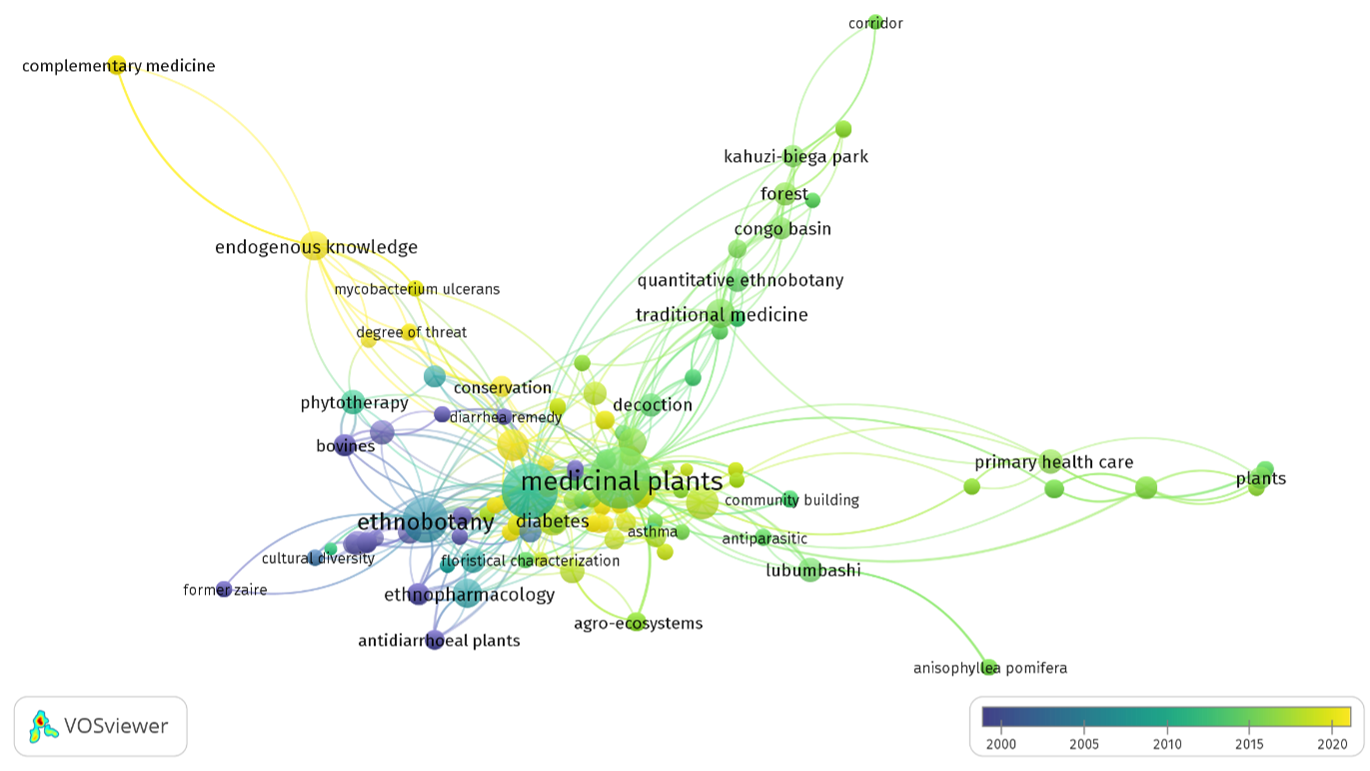
Figure 8: Ethnomedicine research co-occurrence network of keywords
Discussion
14This study analyzed the evolution of ethnomedicine research in the DRC over the past 39 years using the bibliometric analysis. This study does not capture all the trends in ethnomedicinal research in the DRC because we ignored offline published articles, articles dealing with chemical and biological plants analyses, books, and theses. Exploring this field provides insight into the past, present, and future status of ethnomedicine in the DRC. The studied aspects included authors, institutions, journals, and keywords.
15During the initial 29 years (1983- 2012), the annual publishing count was less than two articles. However, since 2012, the number of publications in the field has been increasing rapidly. These findings align with previous studies that reported an increase in the number of published articles worldwide (Angulo, 2020; Popović et al., 2016; Yeung et al., 2018). This trend contrasts with that of Cuba, which productivity has been constant since 2004 (Beatriz et al., 2013).
16The majority of online articles regarding medicinal plants in the DRC were from academic institutions. Belgian institutions collaborated most frequently with the DRC institutions. This may result from the prolongrd cooperation between these two nations, based on their historical relationship as former colonizer and colonized.
17Although academic institutions were involved in ethnomedicine research, universities, and colleges lack a specialized curriculum to provide skills and knowledge in this field, in contrast to other countries where it has been established as an academic discipline (Park et al., 2021; Ritter et al., 2015; Shi et al., 2021). Notwithstanding the efforts to improve ethnomedicine research in DRC, none of the 79 papers ranked among the 100 most referenced articles in the field. The Congolese researchers or institutions were not part of the author network of the active authors in African medicinal research (Okaiyeto and Oguntibeju, 2021).
18Regarding the number of articles published in the DRC, “African Study Monographs” and the “Journal of Ethnopharmacology” held the top positions. This observation confirms the findings of other studies indicating that the Journal of Ethnopharmacology was the primary source for Andrographis paniculate preclinical trials in diabetes mellitus studies (Arifah et al., 2022) and for the 100 most cited articles on African medicinal plants (Okaiyeto & Oguntibeju, 2021).
19Only a limited numbers of journals were designated as indexed journals. Clements et al., (2018) also noted that numerous publications from developing countries in aquaculture research appeared in non-indexed open accessed journals. Several factors contribute to the limited number of publications in indexed journals including language barriers, limitations on resources, institutional biases (Albanna et al., 2021; Amarante et al., 2022; Sumathipala et al., 2004), as well as structural racism and capitalism affecting authors from developing countries (Lamba et al., 2022). Amarante et al., (2022) pointed out that rejection due to plagiarism was higher in the southern developing countries compared to their northern counterparts.
Conclusion
20In the DRC, medicinal plants serve as the primary source of medication for the majority of the underprivileged population. This study is the first bibliometric study on ethnomedicine in DRC. The results illustrate the trend in publications from 1983 to 2022, along with pertinent information such as the most prolific authors (Ngbolua, Mpiana), institutions (the University of Kinshasa, Official University of Bukavu), and the journals in which the articles were published (African Study Monographs, Journal of Ethnopharmacology). Additionally, author and institutional network were identified.
Declaration of competing interest
21The authors declare that they have no know competing financial interests or personal relationships that could have appeared to influence the work reported in this paper.
Acknowledgements
22This study was carried out with the support of ´R&D Program for Forest Science Technology (Project No. RS-2024-00404388 and FTIS 2022461E10-2324-0201) provided by Korea Forest Service (Korea Forestry Promotion Institute).
Bibliographie
Alarcon R.C.A., Maguiña J.L., Apolaya S.M., Carhuapoma Y.M., Aranda V.J., Herrera A.P., 2023. Bibliometric Analysis of Medicinal Plants ’ Original Articles from Latin America and the Caribbean Region. Journal of scientometric research, 12: 79–91.
Albanna B., Handl,J., Heeks R., 2021. Publication outperformance among global South researchers: An analysis of individual-level and publication-level predictors of positive deviance. Scientometrics, 126:8375-8431.
Amarante V., Burger R., Chelwa G., Cockburn J., Kassouf A., Zurbrigg J., 2022. Underrepresentation of developing country researchers in development research. Applied Economics Letters, 29: 1659–1664.
Angulo B.Y., 2020. Bibliometric indicators of peruvian scientific output on medicinal plants. Revista Peruana de Medicina Experimental y Salud Publica, 37: 495–503.
Aria M., Cuccurullo C., 2017. bibliometrix: An R-tool for comprehensive science mapping analysis. Journal of Informetrics, 11: 959–975.
Arifah F.H., Nugroho A.E., Rohman A., Sujarwo W., 2022. A bibliometric analysis of preclinical trials of Andrographis paniculata (Burm.f.) Nees in diabetes mellitus. South African Journal of Botany, 151: 128–143.
Beatriz L., Fernández E., Armas R.C., 2013. Producción científica cubana sobre plantas medicinales y productos naturales a partir de la base de datos Cuban scientific production about medicinal plants and natural products from Plant Med CUBA database, 1967-2010. Revista Cubana de Plantas Medicinales 18: 348–360.
Byavu N., Henrard C., Dubois M., Malaisse F., 2000. Phytothérapie traditionnelle des bovins dans les élevages de la plaine de la Ruzizi. Biotechnology, Agronomy and Society and Environment, 4: 135–156.
Chifundera K., 1998. Livestock Diseases and the Traditional Medicine in the Bushi Area , Kivu Province , Democratic. African Study Monographs, 19: 13–33.
Chifundera K., 2001. Contribution to the inventory of medicinal plants from the Bushi area, South Kivu Province, Democratic Republic of Congo. Fitoterapia, 72: 351–368.
Clements J.C., Daigle R.M., Froehlich H.E., 2018. Predator in the pool? A quantitative evaluation of non-indexed open access journals in aquaculture research. Frontiers in Marine Science, 5: 1–14.
George T.T., Obilana A.O., Oyenihi A.B., Rautenbach F.G., 2021. Moringa oleifera through the years: a bibliometric analysis of scientific research (2000-2020). South African Journal of Botany, 141: 12–24.
Iragi G.K., Rusaati B.I., Nfizi I.B., Masumbuko N.C., Gendusa A.P., Matendo F.A., Kang J.W., 2021. Ethnomedicinal study of plants used in the Uvira Territory (Democratic Republic of Congo). Forest Science and Technology, 17: 144–154.
Katemo M., Mpiana P.T., Mbala,B.M., Mihigo S.O., Ngbolua K.N., Tshibangu D.S.T., Koyange, P.R., 2012. Ethnopharmacological survey of plants used against diabetes in Kisangani city (DR Congo). Journal of Ethnopharmacology, 144: 39–43.
Laldingliani T.B.C., Thangjam N.M., Zomuanawma R., Bawitlung,L., Pal A., Kumar A., 2022. Ethnomedicinal study of medicinal plants used by Mizo tribes in Champhai district of Mizoram, India. Journal of Ethnobiology and Ethnomedicine, 18: 22.
Lamba I., Shinde V., Shaikh Z., Tripathi S., Bhatt V., 2022. Deconstructing structural racism and structural capitalism in academic publishing. Medical Journal of Dr. D.Y. Patil Vidyapeeth, 15(1): 3–5.
Longanga O.A., Vercruysse A., Foriers A., 2000. Contribution to the ethnobotanical, phytochemical and pharmacological studies of traditionally used medicinal plants in the treatment of dysentery and diarrhoea in Lomela area, Democratic Republic of Congo (DRC). Journal of Ethnopharmacology, 71(3): 411–423.
Masumbuko N.C., Nyakabwa M.D., 2012. Plantes médicinales utilisées chez les Fuliiru d ’ Uvira ( Sud-Kivu). Annales Sciences and Sciences Appliquées U.O.B, 3: 82–90.
Mpiana P., Kasali F., Bwirhonde F., Gbolo B.Z., Tshibangu D.S.T., Ngbolua,K.N., Memvanga,P. B., Kadima, J. N., 2016. Acute and Sub-acute Oral Toxicity Study of Drepanoalpha® (A Poly-Herbal Formula Used in the Management of Sickle Cell Disease) in Guinea-pigs. Journal of Pharmaceutical Research, 10: 1–8.
Ngbolua K.N.,, Mpiana P.T., Mudogo V., Ngombe N.K., Tshibangu D.S.T., Ekutsu E., Kabena O.N., Gbolo B.Z., Muanyishay C.L., 2014. Ethno-pharmacological survey and floristical study of some medicinal plants traditionally used to treat infectious and parasitic pathologies in the Democratic Republic of Congo. International Journal of Medicinal Plants, 106: 454-467.
Okaiyeto K., Oguntibeju O.O., 2021. Evaluation of 100 most cited research articles on African medicinal plants. Plant Science Today, 8: 340–351.
Park J., Yi E., Yi J., 2021. The provision and utilization of traditional Korean medicine in South Korea: Implications on integration of traditional medicine in a developed country. Healthcare, 9:1-10.
Popović Z., Matić R,. Bojović S., Stefanović M., Vidaković V., 2016. Ethnobotany and herbal medicine in modern complementary and alternative medicine: An overview of publications in the field of I&C medicine 2001-2013. Journal of Ethnopharmacology, 181: 182–192.
Pritchard A., 1969. Statistical bibliography or Biliometrics? Journal of Documentation, 25: 348-349
Ritter M.R., da Silva T.C., Araújo E.L., Albuquerque U.P., 2015. Bibliometric analysis of ethnobotanical research in Brazil (1988–2013). Acta Botanica Brasilica, 29: 113–119.
Shi Y., Zhang C., Li X., 2021. Traditional medicine in India. Journal of Traditional Chinese Medical Sciences, 8: S51–S55.
Singh G., Ahmad M., Nazim, M., 2008. A bibliometric study of Embelia ribes. Library Review, 57: 289–297.
Sivasekaran K., Prabakar S., Kumar A., Sivankalaid S.K., 2021. Curcuma Longa (Medicinal Plant) Research: A Scientometric Assessment of Global Publications Output with Reference to Web of Science. Turkish Journal of Computer and Mathematics Education, 12: 1477–1496.
Sumathipala A., Siribaddana S., Patel V., 2004. Under-representation of developing countries in the research literature: Ethical issues arising from a survey of five leading medical journals. BMC Medical Ethics, 5: 1–6.
Terashima H., Ichikawa, M.,2003. A comparative ethnobotany of the Mbuti and Efe Hunter-Gatherers in the Ituri Forest, Democratic Republic of Congo. African Study Monographs, 24: 1–168.
Terashima H., Ichikawa M., Sawada, M., 1988. Wild Plant Utilization of the Balese and the Efe of the Ituri Forest, The Republic of Zaire. African Study Monographs, 8: 1–78.
Van Eck N.J., Waltman L., 2010. Software survey: VOSviewer, a computer program for bibliometric mapping. Scientometrics, 84(2): 523–538.
Viljoen A., Sandasi M., Vermaak I., 2019. The role of the South African Journal of Botany as a vehicle to promote medicinal plant research– A bibliometric appraisal. South African Journal of Botany, 122: 3–10.
WHO, 2013. WHO Traditional Medicine Strategy 2014-2023. In World Health Organization (WHO). https://doi.org/2013
Ye S., Hu J., Liu Z., Liang M., 2021. Progress and Research Trends on Catha edulis (Vahl) Endl. (Catha edulis): A Review and Bibliometric Analysis. Frontiers in Pharmacology, 12: 1–12.
Yeung A.W.K., Heinrich M., Atanasov A.G., 2018. Ethnopharmacology-A bibliometric analysis of a field of research meandering between medicine and food science? Frontiers in Pharmacology, 9:215.
Zyoud S.H., Al-Jabi S.W., Sweileh W.M., 2015. Scientific publications from Arab world in leading journals of Integrative and Complementary Medicine: A bibliometric analysis. BMC Complementary and Alternative Medicine, 15: 1–10.
Om dit artikel te citeren:
Over : Butoto Imani wa Rusaati
Independent Researcher, Sangju City, South Korea
irusaati@gmail.com
Over : Patience Gendusa Arusi
Independent Researcher, Sangju City, South Korea
Over : Gedeon Bongo Ngiala
Mention Life science, Faculty of Science and Technologies, University of Kinshasa, Kinshasa, Democratic Republic of the Congo
Over : Cephas Masumbuko Ndabaga
Department of Biology, Official University of Bukavu, Bukavu BP 570, Democratic Republic of Congo
Over : Astrid Furaha Matendo
Département d’environnement et développement durable, Institut Supérieur de Développement Rural de Bukavu, République Démocratique du Congo
Over : Gentil Iragi Kaboyi
Centre de Recherche en Sciences Naturelles (CRSN/Lwiro), DS Bukavu, République Démocratique du Congo
Over : Daddy Kanika Kileshe
Mention Life science, Faculty of Science and Technologies, University of Kinshasa, Kinshasa, Democratic Republic of the Congo
Over : Blanchard Mayundo kwezi
Mention Life science, Faculty of Science and Technologies, University of Kinshasa, Kinshasa, Democratic Republic of the Congo
Over : Eveline Bokoma Basanga
Institut Congolais pour la Conservation de la Nature, Jardin zoologique de Kinshasa, Kinshasa, R.D. Congo
Over : Ngbolua Koto-te-Nyiwa
Mention Life science, Faculty of Science and Technologies, University of Kinshasa, Kinshasa, Democratic Republic of the Congo
Over : Henry Manya Mboni
Département de Pharmacologie, Faculté des Sciences Pharmaceutiques, Université de Lubumbashi, Lubumbashi, République Démocratique du Congo
Filière des Techniques Pharmaceutiques, Institut Supérieur des Techniques Médicales d´Uvira, Uvira, République Démocratique du Congo
Over : Kang Jun-Won*
School of Forest Sciences and Land Architecture, College of Agriculture and Life Sciences, Kyungpook National University, Daegu, Republic of Korea
Corresponding author: jwkang15@knu.ac.kr
