


- Accueil
- Volume 30 (2026)
- Numéro 2
- Physical weed control: a review in Belgian conditions. Part 2: Technical description of implements, effectiveness and selectivity


Visualisation(s): 285 (1 ULiège)
Téléchargement(s): 30 (0 ULiège)

Physical weed control: a review in Belgian conditions. Part 2: Technical description of implements, effectiveness and selectivity

Document(s) associé(s)
Version PDF originaleRésumé
Lutte physique contre les mauvaises herbes : une revue dans les conditions belges. Partie 2 : description technique des outils, efficacité et sélectivité
Introduction. Parmi les alternatives au désherbage chimique, une gamme variée de solutions physiques existe ou est en cours de développement, et évolue rapidement grâce à l'intégration de nouvelles technologies.
Littérature. Les solutions physiques de désherbage peuvent être utilisées sur différentes cultures et à différents stades de leur développement. Leur efficacité et leur sélectivité dépendent de facteurs liés aux outils utilisés et à leur réglage, ainsi que de facteurs externes. Cette revue de la littérature dresse un inventaire technique des solutions physiques de désherbage adaptées aux rotations wallonnes.
Conclusions. Il apparait que beaucoup d’outils de gestion physique des adventices sont bien adaptés aux grandes cultures présentes en Wallonie. Plusieurs études scientifiques démontrent que les méthodes de désherbage mécanique constituent une alternative crédible à l’utilisation d’herbicides de synthèse et présentent une sélectivité élevée lorsqu’elles sont utilisées adéquatement. Cependant, l’efficacité du désherbage mécanique reste réduite sur le rang des cultures et son succès est plus dépendant des conditions pédoclimatiques. Les performances de chantier sont limitées par les largeurs et vitesses de travail des outils. Ces deux aspects ont un impact sur le temps de travail. Combiné avec le manque de disponibilité de main-d’œuvre en agriculture, cela représente un véritable défi. En termes de perspectives de développement, les nouvelles technologies associées à l'automatisation ont le potentiel d'améliorer la qualité du désherbage physique, tout en réduisant le besoin de main-d'œuvre.
Abstract
Introduction. Among alternatives to chemical weeding, a diverse range of physical solutions exists or is being developed and evolves rapidly through the integration of new technologies.
Literature. The physical weeding solutions can be used on various crops and at different stages of their development. Their effectiveness and selectivity depend on factors relating to the tools used and their settings, as well as external factors. This literature review provides a technical inventory of physical weed control solutions that are suitable for crop rotations in Wallonia.
Conclusions. It appears that many physical tools for managing weeds are well suited to the crop rotations in Wallonia. Several publications have proven that mechanical weeding methods are a credible alternative to the use of synthetic herbicides and have a high degree of selectivity when used correctly. However, the effectiveness of mechanical intra row weeding remains lower, and its success is more dependent on pedoclimatic conditions. Performance is limited by the working widths and velocity of the tools. These two aspects affect working time. When coupled with the limited availability of agricultural labour, it represents a real challenge. In terms of development prospects, new technologies associated with automation have the potential to improve the quality of physical weeding, while reducing the need for labour.
Table des matières
Received 17 April February 2025, accepted 4 May 2026, available online 12 May 2026.
This article is distributed under the terms and conditions of the CC-BY License (https://creativecommons.org/licenses/by/4.0)
1. INTRODUCTION
1Among alternatives to chemical weeding, a diverse range of physical solutions exists or is being developed (Cloutier et al., 2007; Pannacci et al., 2017) and is expected to evolve rapidly through the integration of new technologies (Fennimore et al., 2016; Esposito et al., 2021). Some have already been used for many years in organic farming.
2There are different ways of classifying physical weed control tools (Cloutier et al., 2007; Peruzzi et al., 2017) according to:
3- their mode of physical action (Cloutier et al., 2007; Peruzzi et al., 2017);
4- the localization: work can be continuous across the entire width of the implement or discontinuous, targeting the inter-row or between the crop plants in the row. A localized operation above the plants is also possible (Pesticide Action Network Europe, 2018);
5- their discrimination: a tool enabling targeted action on weeds (Gerhards et al., 2022; Rai et al., 2023);
6- or alternatively, their level of technology (Peruzzi et al., 2017).
7These tools can be used on various crops and at different stages of their development (Van der Schans et al., 2006).
8Two parameters are used to evaluate weed control: effectiveness and selectivity. The effectiveness of weed control corresponds to the impact of the intervention on the quantity of weeds. It depends on factors relating to the tools used and their settings, as well as factors external to them.
9The effectiveness of implements that interact with the soil is affected by its texture, structure, humidity (Lovely et al., 1958) and the presence of plant residues (Cloutier et al., 2007). The intervention window for a favorable result depends on weather conditions during and after treatment to ensure weed desiccation (Abras et al., 2017; Rabier et al., 2026). The success of weed control is influenced by the species and the developmental stage of the weeds, as described using the universal BBCH scale (Zadoks et al., 1974), which is linked to local growing conditions.
10Another relevant parameter for assessing weed control is selectivity, which is the relationship between weed control and damage to crops (Kurstjens, 2002). High selectivity means weed control without loss of crop and depends above all on the mode of action of the tools and their settings, as well as the stage of development of the crop.
11The article associated with this publication (Rabier et al., 2026) presents and analyses the characteristics of Walloon agriculture and the context in which it operates in connection with the potential for the development of physical weeding. The aim of this review is to provide a technical overview of existing solutions for physical weed control during the growing period in the Walloon agricultural context. Mechanical soil management practices such as tillage, ploughing or soil disinfection, are not included.
12To achieve this goal, 90 relevant publications were selected from the following databases: Cabi, Science Direct, Springer, ResearchGate and Google Scholar, using specific keywords like mechanical weeding, physical weeding, thermal weeding, laser, hoeing, harrowing, etc.
2. PHYSICAL WEED CONTROL USING TOTALLY OR PARTIALLY DESTRUCTIVE IMPLEMENTS
2.1. Introduction
13In order to avoid placing the same tool in different categories, the nomenclature used here for the implement’s classification is based on their main mode of action.
14Implementing these solutions in fields can be multiple for the same mode of action. A distinction can be made between tractors (trailed or mounted machines) and self-propelled machines, which require the intervention of a driver, and autonomous solutions: robots, autonomous tools carrier or small autonomous tractors. This diversity has an impact on site performance and profitability. The robots typically show higher investment costs and smaller capacity in contrast to mounted implements on tractors which offer the possibility of making an investment profitable over larger areas.
15Mechanical weeding implements that work the soil affect soil structure, capillarity and weed seed germination in the surface layer (Peruzzi et al., 2017). As a result, working depth should be limited to 2-5 cm. Any deeper operation will result in seeds being pulled up and significant soil displacement, as well as a risk of cutting the roots of the crop (Cloutier et al., 2007).
2.2. Uprooting and covering
16These implements have an uprooting action, combined with covering the plants with displaced soil. They are versatile and wide-ranging. They act continuously or discontinuously and can be used in pre- or post-emerge on many species grown in Belgium. It is difficult to perform an exhaustive inventory, as hybrid systems that combine different pieces of equipment exist. Furthermore, many artisanal variants are developed by farmers or associations (e.g. Atelier paysan, Agrilab-Unilassale, Farmhack). These equipments are also characterised by their simple design, straightforward operation and cost-effectiveness (Abras et al., 2017).
17Implements
18Flex-tine harrow. The flex-tine harrow is made up of independent frames on which several rows of straight or curved tines of different diameters are mounted (Cloutier et al., 2007). Its working width typically ranges from 3 to 32 m, enabling high operational efficiency. Weed control is achieved through the vibration of the tines, which uproot or disturb young weeds. The performance of the implement can be adjusted through several parameters, including forward speed (4–10 km·h-1), tine inclination, and working depth. Some models, such as those developed by Treffler, are equipped with spring systems that allow precise adjustment of tine pressure on the soil surface. However, the flex-tine harrow is not suitable in the presence of significant crop residues, as these can accumulate and cause a raking effect, reducing efficiency and potentially damaging the crop.
19A variant of this implement is the rotative weeder (Figure 1), which has straight tines mounted on inclined disks carried by independent arms (e.g. Aerostar rotation from Einböck, RW from APV).
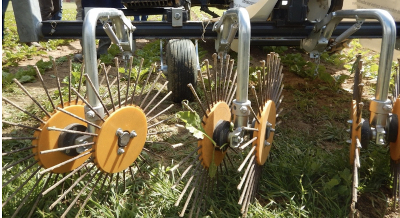
Figure 1. Rotative weeder details – Éléments d'une herse rotative.
20It works by rooting weeds out. The implement offers working widths between 6 to 18 m and operates at speeds ranging from 3 to 10 km·h-1. It remains suitable for use under conditions where plant residues are present.
21Rotary hoe. This implement is equipped with star-shaped wheels fitted with spoon-like ends (Cloutier et al., 2007). These wheels are mounted on the frame via arms or pendulum systems (e.g. Rotanet from Carré, RH from Hatzenbichler). The working width ranges from 6 to 18 m with operating speeds between 15 to 20 km·h-1. Some models are equipped with a hydraulic system to adjust wheel pressure on the soil (e.g. Rotarystar from Einböck). The spoon-shaped tips penetrate and disturb the soil surface, uprooting weeds thanks to the fast-working speed. Stony soils should be avoided, but work is possible in the presence of plant debris. In addition to weeding, this implement is also effective for breaking soil surface crust.
22Brush weeder. This implement consists of one or more brushes mounted on either a horizontal or vertical axis, driven by the tractor power take-off or by individual electrical or hydraulic motors (Cloutier et al., 2007; Pannacci et al., 2017a). Weed control is achieved through the rotation of the brushes as friction generated by the rigid bristles dislodges and uproots the weeds. While these implements are primarily designed for vegetable crops, they are now available in widths up to 8 m (e.g. Fobro, Terrateck).
23Effectiveness. The effectiveness of this equipment can be adjusted by increasing their aggressiveness through modifications in the shape and positioning of the working elements, as well as by increasing pressure on the soil (spring, mass or hydraulic system), working speed and operating depth (Cloutier et al., 2007; Pannacci et al., 2017b). They are most effective against early-stage weeds (≤ BBCH 12), particularly of broadleaf species. Consequently, optimal results are achieved when interventions are carried out at an early stage (Lovely et al., 1958; Abras et al., 2017; Peruzzi et al., 2017). Various studies show that a single weeding pass is generally insufficient and that these tools must be integrated into broader weed management strategies involving multiple interventions (Peruzzi et al., 2017; Alba et al., 2020; De Cauwer et al., 2020). Their efficacy is lower against grass species and remains limited for perennial weeds.
24The performance of tine-based implements is strongly influenced by soil conditions. They tend to be ineffective in hard soils due to limited penetration capacity, as well as in wet clay soils where slippage reduces the vibration of the tines. In such conditions, brush weeders may offer better performance, as they are more effective at controlling surface weeds in hard or crusted soils where tine implements fail to penetrate (Cloutier et al., 2007; Cirujeda et al., 2015).
25Selectivity. The impact of mechanical weeding on the crop can be significant, particularly for susceptible species at early development stages (Rydberg, 1993). Crop damage is more likely under aggressive settings, including high working speeds, increased working depth (Rydberg, 1994; Kurstjens, 2002) and repeated interventions (Kirkland, 1995). Consequently, the use of continuously operating mechanical weeders requires a clear difference in the developmental stage between the crop and the weeds to avoid crop injury. This selectivity can be achieved either through pre-emergence operations or post-emergence interventions once the crop is sufficiently established, typically beyond the BBCH 13 stage (Pannacci et al., 2017a). Pre-emergence treatments are particularly suitable for crops sown with large seeds at depths greater than 5 cm (e.g. maize, pea, bean, potato), allowing soil disturbance without damaging the crop. For post-emergence applications, the recommended intervention window varies depending on the crop (Van der Schans et al., 2006; ITAB, 2012; Torfs, 2022): from BBCH 13 to 20 for beets and chicory, BBCH 13 to 31 for wheat and BBCH 13 to 17 for maize. However, the selectivity of these tools limits the number and timing of possible interventions, often restricting the effective treatment period to only a few weeks (De Cauwer et al., 2020). In systems requiring repeated passes, increasing seed density is recommended to compensate for potential crop losses (Cloutier et al., 2007).
2.3. Uprooting
26Implements. Two very different approaches coexist within this category. The first targets well-developed weeds that grow above the crop canopy. The weed puller comprises one or two rows of multiple pairs of tires (from 3 to 6 m continuously) driven by hydraulic motors which make them rotate in opposite directions (e.g. Klünder, ARK from Novaxi). Weeds are pinched and pulled out by the driving force of the rotation. An alternative system uses a different stripping mechanism: a large cylinder bends the weed stems downward onto digging rollers (Tig’Air from Bionalan). The height difference between the crop and the weeds helps ensure that only taller weeds are affected. The work rate is limited to 1 or 2 ha·h-1, with a reduced working speed when weed pressure is high.
27In contrast, the second approach focusses on removing weeds at an early stage with robots during the growing season. Recently, fully autonomous robots have been developed (e.g. La chèvre from Nexus robotic, Maverick from Odd. Bot). These machines are equipped with articulated arms fitted with mechanical grippers (Figure 2) which remove weeds individually after detection through camera systems and AI-based neural networks. They are available since 2024 for high density vegetable crops such as carrots and lettuce. The working rate is limited to 1 ha·day-1 depending on the level of weed infestation.
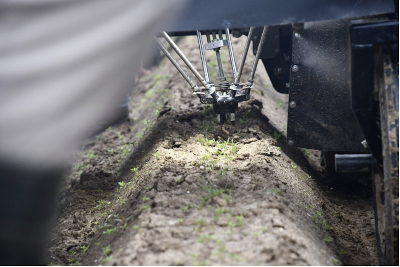
Figure 2. Mechanical grippers (detail from Maverick autonomous robot) – Pinces mécaniques (détail du robot autonome Maverick).
28Effectiveness. The weed puller is best suited for low growing crops where a clear height difference exists between well-developed weeds and the crop. Its effectiveness is greatest on mature weeds (BBCH 60) with lignified stems, which can withstand the traction force of the machine without breaking. Consequently, this method is most commonly used as a late-season corrective treatment, when both the height contrast and weed lignification are at their peak. Even when performed late, it helps prevent problems when harvesting, or later reseeding. In contrast, the autonomous system moves between the rows during the growing season, targeting weeds at early developmental stages before they become established.
29Selectivity. Selectivity is achieved either through the height difference between the crop and the weeds (weed puller), which ensures that the implement acts only on the weeds or, in the case of the robot, through the weed detection system specific to the crop. However, late intervention with weed puller may cause damage by crushing crops with the tractor wheels, which is not the case when using robots on crops grown on raised beds.
2.4. Scalping and covering
30These implements destroy weeds by removing or cutting off a more or less significant portion of the plant. The action may occur at the root level or at the base of the stems and also affects the surrounding soil. This cutting action is often combined with other secondary effects related to soil tillage such as burying and uprooting.
31Implements. The hoe is traditionally the most commonly used implement on row crops (Cloutier et al., 2007). Numerous agricultural machinery manufacturers offer a range of hoe models. A hoe typically consists of a central beam supporting several working units, usually one per inter-row. The working depth of these units is controlled by adjustable gauge wheels (e.g. hand cranks, positioning holes, hydraulic cylinder). Raising the wheels increases the working depth of the blades. Each gauge wheel is mounted on an articulated parallelogram, ensuring that the tool remains parallel to the ground throughout the setting. The working units are fitted with blades of various shapes and sizes (heart, duck-foot, L-blade, etc.). These blades penetrate the soil to scalp weeds between the rows. In addition, hoeing can have a ridging effect along the crop row (Van der Schans et al., 2006; Pannacci et al., 2017b), helping to bury and smother the small weeds within the row. The selection, number and arrangement of the blades depend on factors such as row spacing, crop growth stage, soil type and the weed pressure. The cultivator is a versatile tool used for a wide range of row crops, typically with row spacings between 15 and 75 cm in our conditions. Its working width remains limited from 3 to 18 m and is adapted to the seed drill used, ensuring that weeding operation is carried out on rows parallel and equidistant to the crop row. The working speed usually ranges from 4 to 12 km·h-1. Adjusting the aggressiveness of the tool is done by increasing the working speed and depth. The use of rigid blades further enhances the intensity of weeding control (Cloutier et al., 2007). Hoeing robots have also been developed (e.g. Orio from Naïo Technologies, Farming GT by Farming Revolution, etc.) to meet the needs of organic vegetable production (small areas, high added value crop and high labour requirements).
32Effectiveness. The hoe is effective on weeds up to BBCH18 (Van der Schans et al., 2006; Abras et al., 2017; Pannacci et al., 2017a). Studies show that its effectiveness is greater than a flex-tine harrow (Pannacci et al., 2014; Abras et al., 2017). However, this is only true for weeds between rows (Rabier et al., 2017).
33Selectivity. As hoes are non-selective, their use requires the protection of the crop by localising their action either between rows or between plants within the row. Damages on the crop can occur due to excessive ridging (high working speed and depth) or following steering problems that cause the machine to shift (Van der Schans et al., 2006). To improve selectivity and guidance accuracy, camera-based systems or GNSS-guided side-shift mechanisms can be used for inter-row hoeing (see 3.1.). Working on a crusty soil can lead to uprooting the crop when it is poorly developed (Cloutier et al., 2007).
2.5. Weed cutter
34Implements. The weed cutter allows the user to remove the upper part of well-developed weeds that emerge above the crop canopy (e.g. Meneguso by Michilletti or CombCut from LyckiGard). The cutting system consists of bars equipped with knives, which may be stationary or mobile, combined with a folding system (wheel or combs). Some implements can be fitted with a collection system (e.g. Top Cut from Zürn), allowing the recovery of seeds and plant residues. Standard working width ranges between 6 and 18 m with operating speeds between 4 to 10 km·h-1. Lower speeds are required under conditions of high weed infestation or when using the cutting bars equipped with mobile knives.
35Effectiveness. Recommended practice involves intervention as soon as possible once the height between the weeds and the crop is sufficient to allow intervention without damaging the crop. Early intervention targets weeds with less lignified stems, thereby facilitating more efficient cutting.
36Selectivity. This type of intervention is selective because the tool only acts on weeds. However, the later the intervention, the greater the risk of crop damage due to tractor traffic.
2.6. Destruction of cells by thermal treatment with a burner
37This type of equipment applies thermal treatment to weeds, causing cell bursting and denaturation of proteins and enzymes (Datta et al., 2013). Most times, the machines generate and apply an intense heat source to the aerial parts of the plants, leading to their destruction within a period of a few days. As the exposure time is very short, typically a few seconds, the root system is generally not affected (Datta & Knezevic, 2013). Weed growth may resume after treatment, although it is significantly reduced. This category of tools includes flame or steam weeder designed for agricultural use. These implements are non-selective and characterised by high energy consumption and low work rates, which restricts their use to high-value crops.
38Other techniques have also been investigated: micro-spraying hot cooking oil (Zhang et al., 2012), the use of hot foam (Martelloni et al., 2020) and the use of microwaves (Sartorato et al., 2006). None of these approaches have led to commercially viable machines for arable crops. Finally, trials have also been conducted to freeze weeds using solid or liquid carbon dioxide (Mahoney et al., 2014).
39Implements
40Flame weeder. The energy source used is gas (LPG, propane) in liquid or gaseous form, which is stored in a secure tank. Two types of flame weeder are available, enclosed burners and row burners. In models that employ a direct flame (Figure 3), the burners are located on a boom, their positioning is adapted to the row crops with the flame directed straight at the target (e.g. Tryfon focus from Vanhoucke).
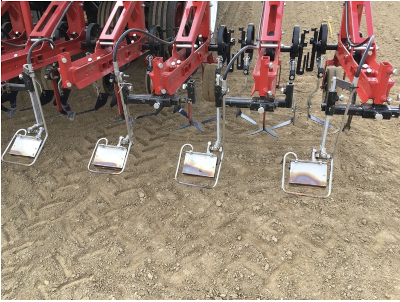
Figure 3. Direct flame weeder – Brûleur à flamme directe.
41There are also systems with several booms under a hood, which act as a furnace (e.g. KB from Hoaf). In this case, the flame is not in direct contact with the plant and the heat treatment is done by radiation. This equipment enables more uniform treatment across larger areas with reduced energy consumption. It is used for pre-emergence treatments or potato haulm destruction.
42The amount of gas used ranges from 40 to 80 kg·ha-1, depending on the quantity, species and stage of development of the weeds. Standard working widths are between 1.5 and 6 m, depending on the crop, and working speeds range from 2 to 4 km·h-1. This technique presents a higher risk of fire in dry and windy conditions (Merfield et al., 2009).
43Steam weeder. The use of water helps to reduce the risk of a fire compared with flame-based methods. In addition, steam enables a more efficient heat transfer to the plant (Dastgheib et al., 2010). The equipment consists of a boiler that heats the water above 150 °C. Steam weeding is most often used for soil disinfection before sowing. However, some systems are designed to apply steam at the soil surface with short exposure times, targeting emerging weeds (Merfield et al., 2009).
44Effectiveness. The effectiveness of burning for destroying weeds is influenced by several factors:
45- the weed species: annual broadleaf weeds are more susceptible than perennials, which possess storage organs, and grasses, whose meristems are located below the soil surface and are therefore better protected from heat (Kolberg & Wiles, 2002). Species with a higher leaf water content are also less susceptible (Ulloa et al., 2010);
46- the stage of development: younger, less developed weeds are more sensitive to heat treatment (Ascard, 1994; Kolberg et al., 2002; Ulloa et al., 2010);
47- the technique used and the treatment intensity: effectiveness increases with the number and type of burners, as well as their positioning and working speed. Heat exposure duration depends on the working speed. Higher speeds reduce exposure time and, consequently, treatment efficacy (Kolberg & Wiles, 2002; Merfield et al., 2017);
48- the environmental conditions: atmospheric humidity and wind reduce treatment effectiveness (Datta & Knezevic, 2013).
49Studies have shown that flame weeding can significantly reduce weed populations, whether applied pre-emergence (Martelloni et al., 2020) or post-emergence (Jamar & Laboureur, 2001; Dastgheib et al., 2010; Peruzzi et al., 2017). Regarding steam weeding, research indicates it can achieve levels of effectiveness comparable to that obtained with glyphosate (Kolberg & Wiles, 2002) and even surpass the performance of flame weeders (Merfield et al., 2017).
50Selectivity. The row burners can be selective if they are directed between the rows of crops. For the other burners which are non-selective, thermal weeding can be used before or after emergence; and in the latter case, its use is reserved for crops that can tolerate it, thanks to their regeneration capacity (sugar beet or chicory) and/or the thickness of their stem (maize). Tolerance to burning, and further effect on the yield, will also depend on the stage of crop development at the time of intervention (Jamar & Laoureur, 2001; Ulloa et al., 2011; Datta & Knezevic, 2013).
2.7. Destruction of cells by thermal treatment with a laser
51Implements. A laser is a device that emits light as a focused beam through optical amplification based on the stimulated emission of electromagnetic radiation. Depending on the amplifying medium and wavelength, different types of lasers are available, enabling a wide range of applications (Andreasen et al., 2022).
52Laser light is characterized by coherence, low divergence and a single wavelength. Its biological effects depend strongly on this wavelength. Near-infrared radiation is efficiently absorbed by water within plant tissues, resulting in rapid heating and subsequent cell damage. CO₂, diode and fiber lasers (Yaseen & Long, 2024) are commonly used in weed control as their wavelengths are highly effective at damaging plant structures. The radiation penetrates the meristematic zone of the plant, disrupting cellular thermal equilibrium and ultimately leading to tissue destruction (Marx et al., 2012a). Furthermore, the physical properties of laser beams allow energy to be concentrated on a very small spot (a few mm), even over long distances. This high degree of precision makes laser technology one of the most precise and selective weed management tools currently available (Andreasen et al., 2024a).
53Although trials under controlled conditions have been promising already some time ago (Mathiassen et al., 2006; Wöltjen et al., 2008; Marx et al., 2012a), it is only in recent years that concrete applications of pre-marketable machines have emerged (Andreasen et al., 2022; Yaseen & Long, 2024). This was possible by the development of compact lasers combined to weed-recognition systems. The development of site-specific weed control lasers offers the opportunity of use in crops growing at high density. Two options are under consideration: autonomous robotic solutions (width < 2 m) or mounted machines, which are lifted or towed by a tractor with working widths ranging between 3 and 6 m (e.g. Laser Weeder™ by Carbon Robotics, Lumina by Weedbot). In both cases, work rate is low (between 0.5 and 1 ha·h-1) due to the long irradiation period needed to effectively treat weeds. This limitation becomes particularly significant under high weed pressure (Marx et al., 2012b). To overcome this problem, some systems combine intra-row laser treatment whith inter-row hoeing. Since the working speed of the hoe is much higher than that of the laser weeder, combining the tools according to their respective efficiencies improves the overall performance of the weeding operation. One mentioned advantage is the lower energy utilization per area compared to other thermal methods (Wöltjen et al., 2008; Marx et al., 2012a; Yaseen & Long, 2024).
54Effectiveness. The destruction of weeds increases with the amount of energy delivered to the target. This energy depends on several factors, including the laser characteristics (wavelength, power and beam diameter), exposure duration and precision of beam positioning (Mathiassen et al., 2006; Wöltjen et al., 2008; Marx et al., 2012a). A smaller beam diameter concentrates energy on a specific target, thereby increasing treatment intensity. However, an optimal balance must be achieved between beam precision and spot size to ensure that enough cells are affected for effective control (Yaseen & Long, 2024). These same studies show that, at the equivalent radiation doses, thermal treatment using lasers are generally more effective on weeds at early growth stages (< BBCH 14), particularly in broadleaf species. As their meristematic cells are more easily accessible, they will be easier to destroy. Nevertheless, during early intervention (BBCH13), it was possible to achieve total control over an annual ryegrass with a 25 W, 975 nm fiber-coupled diode laser (Coleman et al., 2021). In addition to targeting emerged weeds, laser exposure can also reduce the germination rate of weed seeds located on the soil surface (Andreasen et al., 2024b).
55Selectivity. Compared to other thermal weed control methods, laser-based systems show a higher precision, achieved through the combination of the laser with a weed-detection system typically based on cameras or machine vision. This targeted approach significantly enhances selectivity (Wöltjen et al., 2008; Marx et al., 2012a).
2.8. Destruction of cells by electrical treatment
56Implements. In electrical weed control, plant cells – particularly of the vascular system – are destroyed by a high-voltage electrical current. Electrodes make contact with the aboveground parts of the plant, allowing electrical charges to travel from the leaves to the roots through the vascular tissues. The current then disperses into the soil and returns to the leaves via passive electrodes. Commercial systems developed for agricultural use (e.g. XPower from Zasso or Weed Zapper) enable treatment over a working width of 3 to 6 m. These machines can operate either across the full width or selectively between crop rows, depending on electrode configuration and spacing. A 3 m working width system (Figure 4) demands 110 kW at the power take-off, resulting in fuel consumption ranging from 20 to 30 l·h-1. The working speed remains relatively low, generally between 2 and 4 km·h-1.
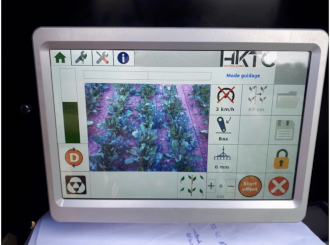
Figure 4. Electrical weeder – Désherbeur électrique.
57Compared to other cell-destructive treatments, electrical weed control provides a more systemic mode of action, as the current is conducted throughout the entire plant via the vascular system. Another application of this technology is potato haulm destruction. For example, Nucrop developed by NuFarm combines electrical treatment with the prior spraying of an electrolyte solution. This pre-treatment enhances electrical conductivity, thereby reducing the power required and enabling greater working width. However, safety remains a significant concern. The use of high-voltage current poses a risk of electrocution to operators or nearby personnel, requiring strict safety measures and operational precautions (Schreier et al., 2022).
58Effectiveness. The effectiveness of electrical weed control depends on the amount of current that passes through the plant’s vascular system. This is linked to the electrical resistance of the plant and the soil, the quality of the contact between the plant and the electrodes (the design of the machine, the density of the plants and the working speed) and the power applied (Koch et al., 2020).
59Plant electrical resistance is primarily determined by morphological characteristics and growth stage. It increases with the presence of an extensive root system, storage organs or a large biomass (Vigneault & Benoît, 2001). Similarly, lignification of the vascular system (Laarabi et al., 2005) raises resistance, while higher water content tends to lower it. In broadleaf species, plant moisture correlates positively with the level of control (Schreier et al., 2022). This explains why the results observed show lower effectiveness for lignified plants (Koch et al., 2020) as well as for grasses (Koch et al., 2020; Munier et al., 2020). Soil conductivity has a negative impact on the effectiveness of electrical weeding by diverting part of the electrical current away from the plant. It is influenced by texture, particularly the clay content, as well as environmental conditions such as moisture, temperature, and porosity. Moist, warm and less porous soil tend to be more conductive (Halleux, 2019). Damage to the root system is greater in dry soil conditions because the electrical current can reach deeper sections of the roots before dissipating (Koch et al., 2020; Munier et al., 2020). Finally, the impact of electrical weeding on soil biota remains uncertain. Preliminary studies do not show any significant effects on earthworm populations but this need to be confirmed (Munier et al., 2020).
3. ASSOCIATED EQUIPMENT
3.1. Inter-row treatment
60This section refers to equipment that improves the effectiveness and the selectivity of weeding by increasing the surface area between the rows being worked on (Van Der Weide et al., 2008) without damaging the crop. The principle is to continuously detect the crop and automatically guide the hoe more accurately through lateral movement during work. This is often performed with an additional mechanical interface: a side-shift system, which is placed between the tractor and the hoe and controlled by a detection device (feelers, cameras, RTK-GNSS). The feelers are two metal rods placed on either side of the row, which rub against the stems of the crops. If the implement is not centred on the row, the pressure from the crop will correct the positioning. As a result, the feelers can only be used on sufficiently rigid crops (corn, sunflowers) that are taller than twenty centimetres, which makes them suitable equipment to replace camera guidance when the rows close. The photo-electric sensor-based guidance system comprises two sensors placed on either side of the row, which makes it possible to detect plants. The sensors can only detect the crop when it is sufficiently developed (BBCH 16). Camera guidance and the use of images (2D or 3D) to locate the row crop (Figure 5) are based on various image processing models and classifications (Slaughter et al., 2008). However, the camera performance may be affected when crops are highly developed, especially as rows close or under windy conditions.
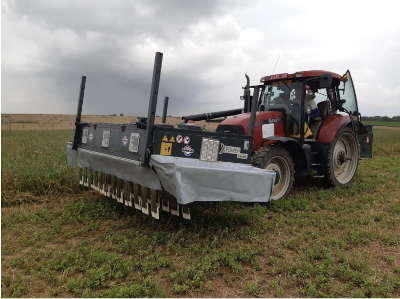
Figure 5. Camera display screen – Écran de visualisation caméra.
61Depending on the cameras used and the conditions, accuracy can vary (Slaughter et al., 2008); however, in practice, an accuracy of 2 cm is the optimum. The camera offers the greatest precision for early stages of crop development (BBCH12 to 18) and becomes unreliable if there is a significant weed infestation (Fennimore et al., 2016). According to some studies (Kunz et al., 2017), the use of guidance systems has allowed for better weed control when associated with higher working speeds.
62Systems without interface are emerging. Guidance correction is achieved by different systems such as the hydraulic cylinder in place of a hoeing stabiliser, the use of a fourth hitching point to allow the use of a guiding arm between the tractor and the weeding implement or even two guiding discs placed on the hoe.
63Another approach consists of positioning an RTK-GNSS antenna directly on the hoe. This configuration allows the implement to follow the crop row based on precise, known positioning data, thereby improving guidance accuracy.
3.2. Intra-row treatment
64This equipment makes it possible to complement operations by working in the row in the case of implements that work discontinuously.
65Non-active equipment. Some equipments are fixed and can be added to inter-row weeding implements. They require fine adjustments (inclination angle, aggressiveness, height) to avoid damaging the crop.
66The fingerweeders are made of flexible rubber fingers mounted on an inclined disc driven by the advancement of the tool. The fingers penetrate the soil of the crop row and, by rotation, uproot small weeds (Cloutier et al., 2007).
67Flex-tine harrow can be placed behind the elements of the hoe. This makes it possible to work the row with the tines while finishing the hoeing. It uproots weeds from soil clods, which limits transplanting.
68Torsion weeders are made up of a pair of fixed tines attached to a rigid frame and bent so that they are angled down and back. The two folded parts work on each side of the row, parallel to its surface. They can even overlap when the crop is well rooted (Peruzzi et al., 2017). The spring makes it possible to maintain a certain degree of pressure, enabling the tines to adapt to ground surface irregularities.
69The efficacy of this equipment is more pronounced on poorly developed weeds at stages < BBCH 12–14, with a root system that is easy to remove (Cloutier et al., 2007).
70Several publications compare the effectiveness of mechanical weeding with and without these non-active equipments in arable crops: soybeans, sunflowers, corn and sugar beets (Pannacci & Tei, 2014; Kunz et al., 2017). Adding them to a hoe increases weed control on the row, with results varying depending on the conditions (Ascard & Fogelberg, 2008; Kunz et al., 2017). As a result, the manual weeding effort required for the correction treatments can be reduced by 40% to 70% through the use of fingers or torsion weeders, according to Van Der Weide et al. (2008). However, these tools do not provide complete in-row weed control (Rabier et al., 2017) due to their limited effectiveness against well-established weeds and grasses. Studies show a high level of selectivity for this equipment, with no damage to the main crop when interventions are carried out at the appropriate stages > BBCH 12–14 (Cloutier et al., 2007; Pannacci et al., 2017a).
71Active equipment. Active equipment enables intra-row weeding operations while avoiding damage to the crop. These systems integrate intelligent detection technologies capable of differentiating between crop plants and weeds, which in turn control the movement of mechanical elements for destroying weeds, most often pivoting knives or blades. Due to the complexity of these technologies, such equipment operates at relatively low speeds (1–2 km·h-1) and involves high investment costs. It is particularly suited for crops with relatively wide plant spacing (> 10 cm).
72The first system for differentiating between crops and weeds is based on precise mapping of plant position, established during sowing or planting using RTK-GNSS signals (patented in 2003 by Upadhyaya). The mobile elements are automatically retracted when approaching the area where a crop plant is located. The advantage of this technique is its independence from development of the crop and weeds during the season, while also requiring relatively low data processing (Fennimore et al., 2016). Trials (Perez-Ruiz et al., 2012) have demonstrated the feasibility of this technique, as well as its high level of selectivity. A commercial application has emerged in the form of a fully autonomous robot powered by solar panels, for seeding and subsequent weeding operations using RTK GNSS (FD20 by Farmdroïd, Figure 6). Trials made on sugar beet demonstrated that weeding with FD20 resulted in equal weed control effectiveness as broadcast herbicide application (Gerhards et al., 2023).
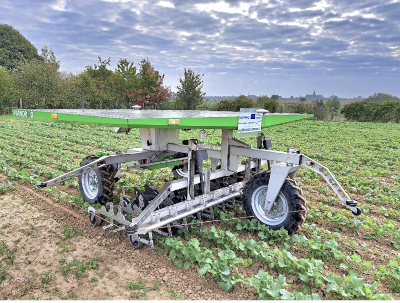
Figure 6. FD20, sowing and weeding robot using seed mapping for mechanical weeding within the row – FD 20, robot de semis et de désherbage utilisant la cartographie des graines pour désherber mécaniquement le rang.
73The second approach uses computer vision to differentiate crops from weeds, allowing the active equipment to operate within the row without damaging the crop. This is mainly done with RGB images that rely on visible light (red, green, and blue). Although the machines currently available on the market are primarily intended for vegetables (e.g. Robocrop from Garford, IC Weeder from Lemken), some solutions are now emerging for field crops like the KULT i Scan from K.U.L.T or the Invera system from Einböck.
74The use of hyperspectral imaging (Fennimore et al., 2016), which makes it possible to differentiate weed species from one another, is not useful for mechanical weed control, as in this case a RGB camera is sufficient to distinguish the crop from everything else. Data processing in these systems relies on artificial intelligence techniques, including machine learning (ML) or deep learning (DL) using AI classification, detection, and segmentation models. The deep learning models achieve better accuracy than machine learning methods (Jahanbakht et al., 2026). A comprehensive review (Adhinata et al., 2024) of the application of ML and DL showed that many models are suitable for crop/weed detection and that they are evolving rapidly.
75Recent studies (Zhao et al., 2024; Willekens et al., 2025) describe promising progress in advanced robotic weeding prototypes for vegetable crops, in which optimized models achieve good weed/crop detection performance and show potential for effective intra-row weeding at operationally realistic field speeds.
76This technique is more selective and effective when the crop is sown homogeneously, poorly developed, and when rows remain clearly distinguishable. However, high weed pressure can complicate plant differentiation and increase the risk of crop damage (Tillett et al., 2008). Comparative trials across various crops evaluating passive versus active intra-row weeding systems (Melander et al., 2015; Lati et al., 2016) report mixed results, with no consistently superior approach. Overall, the differences are not very pronounced. The combination of fixed and mobile equipment has shown the best weed control results in recent trials (Gerhards et al., 2023). Autonomous mobile systems based on deep learning are a promising direction for improving the accuracy and efficiency of weed detection systems. Nevertheless, several challenges remain, particularly in adapting these systems to different farming environments (Rai et al., 2023). Key limitations include variable lighting conditions, leaf occlusion and difficulties in detecting weeds at early growth stages (Adhinata et al., 2024).
4. CONCLUSIONS
77The diversity of mechanical weed control implements allows interventions across a wide range of crops and under varying field conditions. The implements reviewed here are suitable during the growing season of the arable crops commonly found in Wallonia. Considering the performance (working widths and speeds) and the costs, some implements are only justified for high-value crops (e.g. organic vegetables).
78Several scientific publications show that mechanical weeding solutions, when combined with each other, can be a credible alternative to chemical herbicides. When properly adjusted and applied, these implements exhibit a high degree of selectivity. Compared to conventional chemical control, some limitations appear: the effectiveness of weeding remains low in rows and its success is more dependent on pedoclimatic conditions, which may restrict their applicability in Wallonia (Rabier et al., 2026).
79Improving effectiveness likely relies on integrating multiple approaches. This includes the sequential use of complementary implements to combine their effects. Physical weed removal implements can also be associated with chemical weeding, in particular band spraying on the crop row, or even agronomic solutions such as permanent soil cover, intercropping or the diversification of crop rotations.
80In terms of development prospects, new technologies (artificial intelligence, hyper-spectral images, development of lasers, etc.) associated with automation offer strong potential to improve the quality of mechanical weeding, while reducing labour requirements.
Bibliographie
Abras M., Rabier F. & Limbourg Q., 2017. Comparaison de techniques de désherbage mécanique en culture de froment biologique. In : Actes de la conférence 1967-2017, 50 ans de partenariat entre agriculteurs et chercheurs, Livre Blanc Céréales, 3/14-3/19, Gembloux, Belgique. Gembloux, Belgique : ULg – Gembloux Agro-Bio Tech.
Adhinata F.D., Wahyono & Sumiharto R., 2024. A comprehensive survey on weed and crop classification using machine learning and deep learning. Artif. Intell. Agric., 13, 45-63, doi.org/10.1016/j.aiia.2024.06.005
Alba O.S., Syrovy L.D., Duddu H.S.N. & Shirtliffe S.J., 2020. Increased seeding rate and multiple methods of mechanical weed control reduce weed biomass in a poorly competitive organic crop. Field Crops Res., 245, 107648, doi.org/10.1016/j.fcr.2019.107648
Andreasen C., Scholle K. & Saberi M., 2022. Laser weeding with small autonomous vehicles: friends or foes? Front. Agron., 4, 1-9, doi.org/10.3389/fagro.2022.841086
Andreasen C., Vlassi E. & Salehan N., 2024a. Laser weeding of common weed species. Front. Plant Sci., 15, 1-14, doi.org/10.3389/fpls.2024.1375164
Andreasen C. et al., 2024b. Laser weed seed control: challenges and opportunities. Front. Agron., 6, 1-10, doi.org/10.3389/fagro.2024.1342372
Ascard J., 1994. Dose–response models for flame weeding in relation to plant size and density. Weed Res., 34, 377-385, doi.org/10.1111/j.1365-3180.1994.tb02007.x
Ascard J. & Fogelberg F., 2008. Mechanical in-row weed control in transplanted and direct-sown bulb onions. Biol. Agric. Hortic., 25, 235-251, doi.org/10.1080/01448765.2008.9755051
Cirujeda A., Aibar J., Moreno M.M. & Zaragoza C., 2015. Effective mechanical weed control in processing tomato: seven years of results. Renew. Agric. Food Syst., 30(3), 223-232, doi.org/10.1017/S1742170513000434
Cloutier D.C., Van Der Weide R.Y., Peruzzi A. & Leblanc M.L., 2007. Chapter 8. Mechanical weed management. In: Upadhyaya M.K. & Blackshaw R.E., eds. Non-chemical weed management. CAB International, 111-134.
Coleman G. et al., 2021. Low energy laser treatments control annual ryegrass (Lolium rigidum). Front. Agron., 2, 601542, doi.org/10.3389/fagro.2020.601542
Dastgheib F., Merfield C.N. & Chamberlain T., 2010. Post-emergence thermal weeding in onions (Allium cepa). Agron. N.Z., 40, 177-186.
Datta A. & Knezevic S.Z., 2013. Chapter six - flaming as an alternative weed control method for conventional and organic agronomic crop production systems: a review. In: Sparks D.L., ed. Advances in Agronomy. Academic Press, 399-428.
De Cauwer B. et al., 2020. Optimisation of weed control in organic processing spinach (Spinacia oleracea L.): impacts of cultivar, seeding rate, plant spacing and integrated weed management strategy. Agronomy, 11(53), 2-18, doi.org/10.3390/agronomy11010053.
Esposito M. et al., 2021. Drone and sensor technology for sustainable weed management: a review. Chem. Biol. Technol. Agric., 8, 18, doi.org/10.1186/s40538-021-00217-8
Fennimore S.A. et al., 2016. Technology for automation of weed control in specialty crops. Weed Technol., 30(4), 823-837, doi.org/10.1614/WT-D-16-00070.1
Gerhards R. et al., 2022. Advances in site-specific weed management un agriculture - a review. Weed Res., 62, 123-133, doi.org/10.1111/wre.12526
Gerhards R., Risser P., Spaeth M. & Saile M., 2023. A comparison of seven innovative robotic weeding systems and reference herbicide strategies in sugar beet (Beta vulgaris subsp. vulgaris L.) and rapeseed (Brassica napus L.). Weed Res., 64, 42-53, doi.org/10.1111/wre.12603
Halleux G., 2019. Méthodologie de calibration d’un capteur embarqué pour le suivi temporal des propriétés physiques du sol. Travail de fin d’étude : Isia Huy, Gembloux (Belgique).
ITAB (Institut Technique de l’Agriculture et de l’Alimentation Biologiques), 2012. Désherber mécaniquement les grandes cultures (Rapport projet Optimiser et promouvoir le désherbage mécanique No. Casdar 2009/2011). Paris: ITAB.
Jahanbakht M. et al., 2026. Advancements in weed mapping: a systematic review. Eur. J. Agron., 175, 127992, doi.org/10.1016/j.eja.2026.127992
Jamar D. & Laboureur D., 2001. Stratégies de désherbage de la betterave sucrière biologique. Alter-Agri, 48, 8-11.
Kirkland K.J., 1995. Frequency of post-emergence harrowing effects wild oat control and spring wheat yield. Can. J. Plant Sci., 75, 163-165, doi.org/10.4141/cjps95-026
Koch M., Hermann A., Ergas B. & Risser P., 2020. Electrical weed control in sugar beet - a comparison of pre-emergence methods. Julius-Kühn-Archiv, 464, 438-440, doi.org/10.5073/JKA.2020.464.066
Kolberg R.L. & Wiles L.J., 2002. Effect of steam application on cropland weeds. Weed Technol., 16, 43-49, doi.org/10.1614/0890-037X(2002)016[0043:EOSAOC]2.0.CO;2
Kunz C. et al., 2017. Camera steered mechanical weed control in sugar beet, maize and soybean. Precis. Agric., 19(4), 708-720, doi.org/10.1007/s11119-017-9551-4
Kurstjens D.A.G., 2002. Mechanisms of selective mechanical weed control by harrowing. PhD thesis: Wageningen University (The Netherlands).
Laarabi S., El Kinani K., Ettouhami A. & Limouri M., 2005. Impédance in vivo des organes aériens de certaines plantes mono- et dicotylédones. C.R. Biol., 328, 253-262, doi.org/10.1016/j.crvi.2004.11.006
Lati R.N., Siemens M.C., Rachuy J.S. & Fennimore S.A., 2016. Intrarow weed removal in broccoli and transplanted lettuce with an intelligent cultivator. Weed Technol., 30, 655-663, doi.org/10.1614/WT-D-15-00179.1
Lovely W.G., Weber C.R. & Staniforth D.W., 1958. Effectiveness of the rotary hoe for weed control in soybeans. Agron. J., 50, 621-625, doi.org/10.2134/agronj1958.00021962005000100017x
Mahoney D.J., Jeffries M.D. & Gannon T.W., 2014. Weed control with liquid carbon dioxide in established turfgrass. Weed Technol., 3(28), 560-568, doi.org/10.1614/WT-D-14-00003.1
Martelloni L. et al., 2020. Flaming, glyphosate, hot foam and nonanoic acid for weed control: a comparison. Agronomy, 10(1), 129, doi.org/10.3390/agronomy10010129
Marx C. et al., 2012a. Design and application of a weed damage model for laser-based weed control. Biosyst. Eng., 113(2), 148-157, doi.org/10.1016/j.biosystemseng.2012.07.002
Marx C. et al., 2012b. Investigations on the absorption and the application of laser radiation for weed control. Landtechnik, 67(2), 95-101.
Mathiassen S.K., Bak T., Christensen S. & Kudsk P., 2006. The effect of laser treatment as a weed control method. Biosyst. Eng., 95(4), 497-505, doi.org/10.1016/j.biosystemseng.2006.08.010
Melander B., Lattanzi B. & Pannacci E., 2015. Intelligent versus non-intelligent mechanical intra-row weed control in transplanted onion and cabbage. Crop Prot., 72, 1-8, doi.org/10.1016/j.cropro.2015.02.017
Merfield C.N., Hampton J.G. & Wratten S.D., 2009. A direct-fired steam weeder. Weed Res., 49(6), 553-556, doi.org/10.1111/j.1365-3180.2009.00733.x
Merfield C.N., Hampton J.G. & Wratten S.D., 2017. Efficacy of heat for weed control varies with heat source, tractor speed, weed species and size. N.Z. J. Agric. Res., 60(4), 437-448, doi.org/10.1080/00288233.2017.1365731
Munier N., Blazy R. & Collin B., 2020. Retour sur les essais 2019 - XPower Zasso. Digicolloque du 14/02/2020. Digiferme Arvalis.
Pannacci E. & Tei F., 2014. Effects of mechanical and chemical methods on weed control, weed seed rain and crop yield in maize, sunflower and soyabean. Crop Prot., 64, 51-59, doi.org/10.1016/j.cropro.2014.06.001
Pannacci E., Lattanzi B. & Tei F., 2017a. Non-chemical weed management strategies in minor crops: a review. Crop Prot., 96, 44-58, doi.org/10.1016/j.cropro.2017.01.012
Pannacci E., Tei F. & Guiducci M., 2017b. Mechanical weed control in organic winter wheat. Ital. J. Agron., 12, 900, 336-342, doi.org/10.4081/ija.2017.900
Perez-Ruiz M., Slaughter D.C., Gliever C.J. & Upadhyaya S.K., 2012. Tractor-based Real-time Kinematic-Global Positioning System (RTK-GPS) guidance system for geospatial mapping of row crop transplant. Biosyst. Eng., 111, 64-71, doi.org/10.1016/j.biosystemseng.2011.10.009
Peruzzi A. et al., 2017. Machines for non-chemical intra-row weed control in narrow and wide-row crops: a review. J. Agric. Eng., 48(2), 57, doi.org/10.4081/jae.2017.583
Pesticide Action Network Europe, 2018. Alternative methods in weed management to the use of glyphosate and other herbicides. Brussels: Pesticide Action Network Europe.
Rabier F. et al., 2017. Assessment of the integration of mechanical weeding for weed control in sugar beet-growing. In: Lorencowicz E., Uziak J. & Huyghebaert B., eds. Proceedings of the IX International scientific symposium, “Farm machinery and processes management in sustainable agriculture”, 22-24 November 2017, University of Life Sciences, Lublin, Poland. Lublin, Poland: University of Life Sciences, 330-335.
Rabier F., Limbourg Q., Miserque O. & Huyghebaert B., 2026. Physical weed control: a review in Belgian conditions. Part 1: Specificities of Walloon agriculture and their impact on the potential of physical weeding. Biotechnol. Agron. Soc. Environ., 30(2), 126-141.
Rai N. et al., 2023. Applications of deep learning in precision weed management: a review. Comput. Electron. Agric., 206, 1-17, doi.org/10.1016/j.compag.2023.107698
Rydberg T., 1993. Weed harrowing – driving speed at different stages of development. Swed. J. Agric. Res., 34, 107-113.
Rydberg T., 1994. Weed harrowing. The influence of driving speed and driving direction on degree of soil covering and the growth of weed and crop plants. Biol. Agric. Hortic., 10, 197-205, doi.org/10.1080/01448765.1994.9754668
Sartorato I., Zanin G., Baldoin C. & De Zanche C., 2006. Observations on the potential of microwaves for weed control. Weed Res., 46, 1-9, doi.org/10.1111/j.1365-3180.2006.00484.x
Schreier H., Bish M. & Bradley K.W., 2022. The impact of electrocution treatments on weed control and weed seed viability in soybean. Weed Technol., 36, 481-489, doi.org/10.1017/wet.2022.56
Slaughter D., Giles D.K. & Downey D., 2008. Autonomous robotic weed control systems: a review. Comput. Electron. Agric., 61, 63-78, doi.org/10.1016/j.compag.2007.05.008
Tillett N.D., Hague T., Grundy A.C. & Dedousis A.P., 2008. Mechanical within-row weed control for transplanted crops using computer vision. Biosyst. Eng., 99(2), 171-178, doi.org/10.1016/j.biosystemseng.2007.09.026
Torfs S., 2022. FAR - Mémo 2022. Techniques culturales betteravières. Programme Vulgarisation Betterave-Chicorée dans le cadre des centres pilotes. Tienen, Belgique : Institut Royal pour l’Amélioration de la Betterave, 15-24.
Ulloa S.M., Datta A. & Knezevic S.Z., 2010. Tolerance of selected weed species to broadcast flaming at different growth stages. Crop Prot., 29(12), 1381-1388, doi.org/10.1016/j.cropro.2010.07.017
Ulloa S.M. et al., 2011. Maize response to broadcast flaming at different growth stages: effects on growth, yield and yield components. Eur. J. Agron., 34(1), 10-19, doi.org/10.1016/j.eja.2010.09.002
Van der Schans D. et al., 2006. Practical weed control in arable farming and outdoor vegetable cultivation without chemicals. Lelystad, The Netherlands: Wageningen UR, Applied Plant Research.
Van Der Weide R.Y. et al., 2008. Innovation in mechanical weed control in crop rows. Weed Res., 48(3), 215-224, doi.org/10.1111/j.1365-3180.2008.00629.x
Vigneault C. & Benoît D.L., 2001. Electrical weed control: theory and applications. In: Vincent Ch., Panneton B., & Fleurat-Lessard F., eds. Physical control methods in plant protection. Springer-Verlag, 174-188.
Willekens A. et al., 2025. Cauliflower centre detection and 3-dimensional tracking 2 for robotic intrarow weeding. Prec. Agric., 26, 29, doi.org/10.1007/s11119-025-10227-3
Wöltjen C., Haferkamp H., Rath T. & Herzog D., 2008. Plant growth depression by selective irradiation of the meristem with CO2 and diode lasers. Biosyst. Eng., 101(3), 316-324, doi.org/10.1016/j.biosystemseng.2008.08.006
Yaseen M.U. & Long J.M., 2024. Laser weeding technology in cropping systems: a comprehensive review. Agronomy, 14(2253), 2-20, doi.org/10.3390/agronomy14102253
Zadoks J.C., Chang T.T. & Konzak C.F., 1974. A decimal code for the growth stages of cereals. Weed Res., 14, 415-421.
Zhang Y. et al., 2012. Automated weed control in organic row crops using hyperspectral species identification and thermal micro-dosing. Crop Prot., 41, 96-105, doi.org/10.1016/j.cropro.2012.05.007
Zhao C.-T. et al., 2024. Automatic lettuce weed detection and classification based on optimized convolutional neural networks for robotic weed control. Agronomy, 14(2838), doi.org/10.3390/agronomy14122838
